According to the Express, this could prove to be a roadblock for UK motorists that own a motorhome or van and plan to visit countries in the European Union. UK drivers travelling to the EU by car for up to 90 days within a 180-day period will face additional border checks before departing the UK, including at key points such as the Port of Dover, Eurotunnel and Eurostar. Naturally, this might mean you’ll need to allow for more time at the border.And for motorhome owners, these new biometric checks could take extra time and, combined with busy ports and stricter travel limits, may make planning trips more challenging. What’s more, later on in 2026, drivers will also need something called an ETIAS travel authorisation for trips to the EU. These rules apply to most European countries, including popular destinations like France, Spain and Italy, although different ports may enforce varying requirements during the transition. Reports claim the UK government is working with European partners to reduce disruptions and ensure smooth implementation, but travellers are being advised to plan for longer journey times once ESS checks begin. The ESS rules apply to all EU countries, along with Iceland, Liechtenstein, Norway and Switzerland. Mark Sheppard, a senior trading manager at Safeguard, said: “Looking further ahead, UK citizens will also need to hold a valid European Travel Information and Authorisation System (ETIAS) travel authorisation, although this is not intended to be introduced until the last quarter of 2026.”A Labour Party Government spokesperson added: “While ESS checks will be a significant change to the EU border, we are in constant and close dialogue with our European partners to try and minimise the impact on the British public.

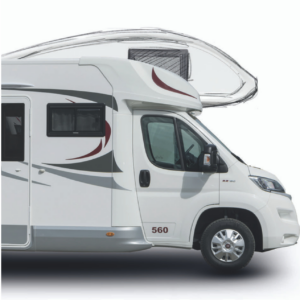
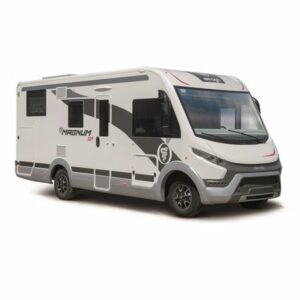
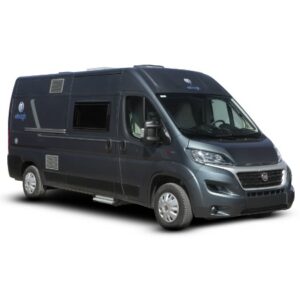
According to the Express, this could prove to be a roadblock for UK motorists that own a motorhome or van and plan to visit countries in the European Union.

UK drivers travelling to the EU by car for up to 90 days within a 180-day period will face additional border checks before departing the UK, including at key points such as the Port of Dover, Eurotunnel and Eurostar.

Naturally, this might mean you’ll need to allow for more time at the border.And for motorhome owners, these new biometric checks could take extra time and, combined with busy ports and stricter travel limits, may make planning trips more challenging.

What’s more, later on in 2026, drivers will also need something called an ETIAS travel authorisation for trips to the EU.

These rules apply to most European countries, including popular destinations like France, Spain and Italy, although different ports may enforce varying requirements during the transition.

Reports claim the UK government is working with European partners to reduce disruptions and ensure smooth implementation, but travellers are being advised to plan for longer journey times once ESS checks begin.

The ESS rules apply to all EU countries, along with Iceland, Liechtenstein, Norway and Switzerland.

Mark Sheppard, a senior trading manager at Safeguard, said: “Looking further ahead, UK citizens will also need to hold a valid European Travel Information and Authorisation System (ETIAS) travel authorisation, although this is not intended to be introduced until the last quarter of 2026.”A Labour Party Government spokesperson added: “While ESS checks will be a significant change to the EU border, we are in constant and close dialogue with our European partners to try and minimise the impact on the British public.